
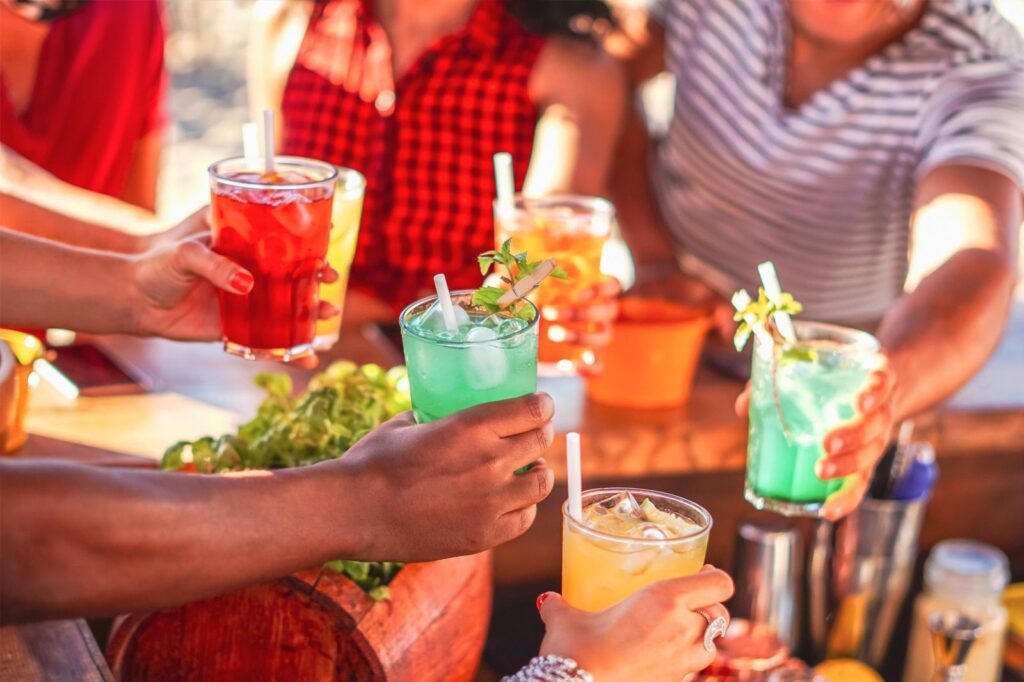
If you live in Fort Lauderdale, Lauderdale-by-the-Sea, or Pompano Beach, you already understand a simple truth about life here: alcohol is everywhere. It’s woven into the social fabric of South Florida in a way that feels casual, celebratory, and completely normal. Waterfront happy hours, bottomless brunches, sunset boat days, beach bars, birthdays, networking events, and even post-workout meetups often revolve around drinking. It’s not necessarily excessive or problematic—it’s just part of the culture.
In many ways, this environment encourages alcohol to blend seamlessly into daily routines. A drink after work becomes a way to “wind down.” A cocktail at brunch feels like a reward. A beer after a workout feels social and earned. Because this pattern is so common, many people don’t stop to question it. There’s no dramatic moment, no red flag, no sense that anything is “wrong.” It’s simply what everyone does.
That’s exactly why Dry January can feel especially challenging in South Florida. When alcohol is the default social connector, opting out—even temporarily—can feel isolating. You’re not just saying no to a drink; you’re navigating invitations, habits, expectations, and identity. It’s easy to feel like the odd one out, especially in a city that feels permanently on vacation.
But this is also why Dry January can be especially powerful here. When something is deeply normalized, pausing it creates clarity. A break from alcohol allows you to notice how much space it occupies—not just in your glass, but in your schedule, your energy, your sleep, and your decision-making. That awareness alone can be transformative.
At Be YogaFit Studio, we see Dry January not as a trend or a test of willpower, but as an opportunity for a mindful reset. It’s not about punishment or rigid rules. It’s about curiosity. It’s about giving your body and nervous system a chance to recalibrate in an environment that supports real life, not extremes.
In a place where alcohol is everywhere, choosing awareness—even for 30 days—is an intentional act of self-care. And you don’t have to do it alone.
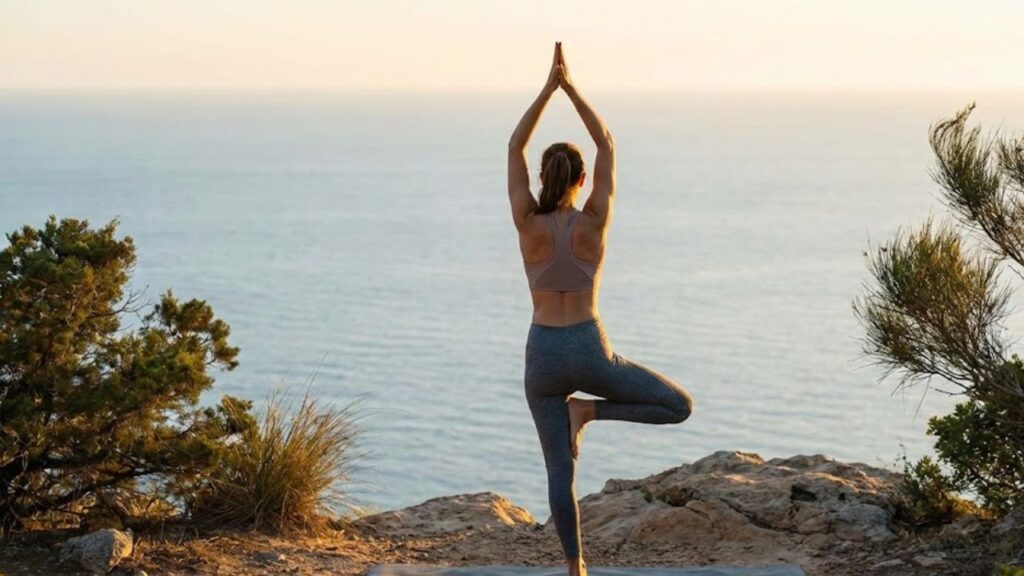
Dry January is often misunderstood. Some people see it as an all-or-nothing challenge. Others assume it’s about quitting alcohol forever, labeling yourself, or proving discipline. At Be YogaFit Studio, we approach it very differently.
Dry January is not about perfection. It’s not about judgment. And it’s definitely not about shame.
At its core, Dry January is simply a pause—a 30-day opportunity to step back and observe. When alcohol is removed from the equation, even temporarily, people begin to notice things they may have overlooked for years. Sleep patterns shift. Energy levels change. Workouts feel different. Moods become more stable—or more honest. Cravings become clearer signals rather than habits.
Many people are surprised by the physical benefits that show up quickly: deeper and more consistent sleep, increased energy during workouts, reduced inflammation and bloating, clearer focus, and improved mood regulation. These changes aren’t dramatic because alcohol was “bad,” but because the body finally has space to function without interference.
Even more meaningful than the physical changes is the awareness that develops. When you pause a habit, you start to understand why it was there in the first place. Was it stress relief? Social comfort? Routine? Reward? Once you see the role alcohol plays, your choices become more intentional—on and off the mat.
Dry January doesn’t require a rigid rulebook. Some people stay alcohol-free for the entire month. Others reduce significantly. Some realize that certain situations feel supportive without alcohol, while others don’t. All of that information is valuable.
This is why we emphasize curiosity over control. Dry January works best when it’s treated as a practice, not a performance. You’re not trying to win anything. You’re learning about yourself.
At Be YogaFit Studio, we support Dry January as a tool for self-connection, not restriction. It’s a chance to listen more closely to your body, your energy, and your needs—without judgment.

Let’s be honest: doing Dry January in Fort Lauderdale is not the same as doing it somewhere else.
South Florida presents very real challenges that make a break from alcohol feel harder than expected. Social life here often revolves around beach bars, waterfront restaurants, and outdoor events where drinking is the norm. Even fitness culture can be alcohol-centered—work out hard, then celebrate with drinks. Add in a year-round vacation mentality, and alcohol becomes a social shortcut to connection.
Networking events, birthdays, casual meetups, and even first dates frequently happen at bars or restaurants designed around alcohol. Choosing not to drink can feel like you’re stepping outside the script. That discomfort alone can be enough to derail good intentions.
This is where community becomes essential.
Trying to “white-knuckle” Dry January in a high-drinking environment often doesn’t work. Willpower fades when there’s no alternative structure or support. What does work is having a place where alcohol is not the centerpiece—where connection, movement, and nervous system regulation come first.
Be YogaFit Studio offers exactly that. Our studio provides a consistent, grounding space to move, breathe, and reset without alcohol being part of the equation. When your routine includes something that genuinely supports you, saying no to a drink feels less like deprivation and more like alignment.
Dry January isn’t about removing fun—it’s about redefining it
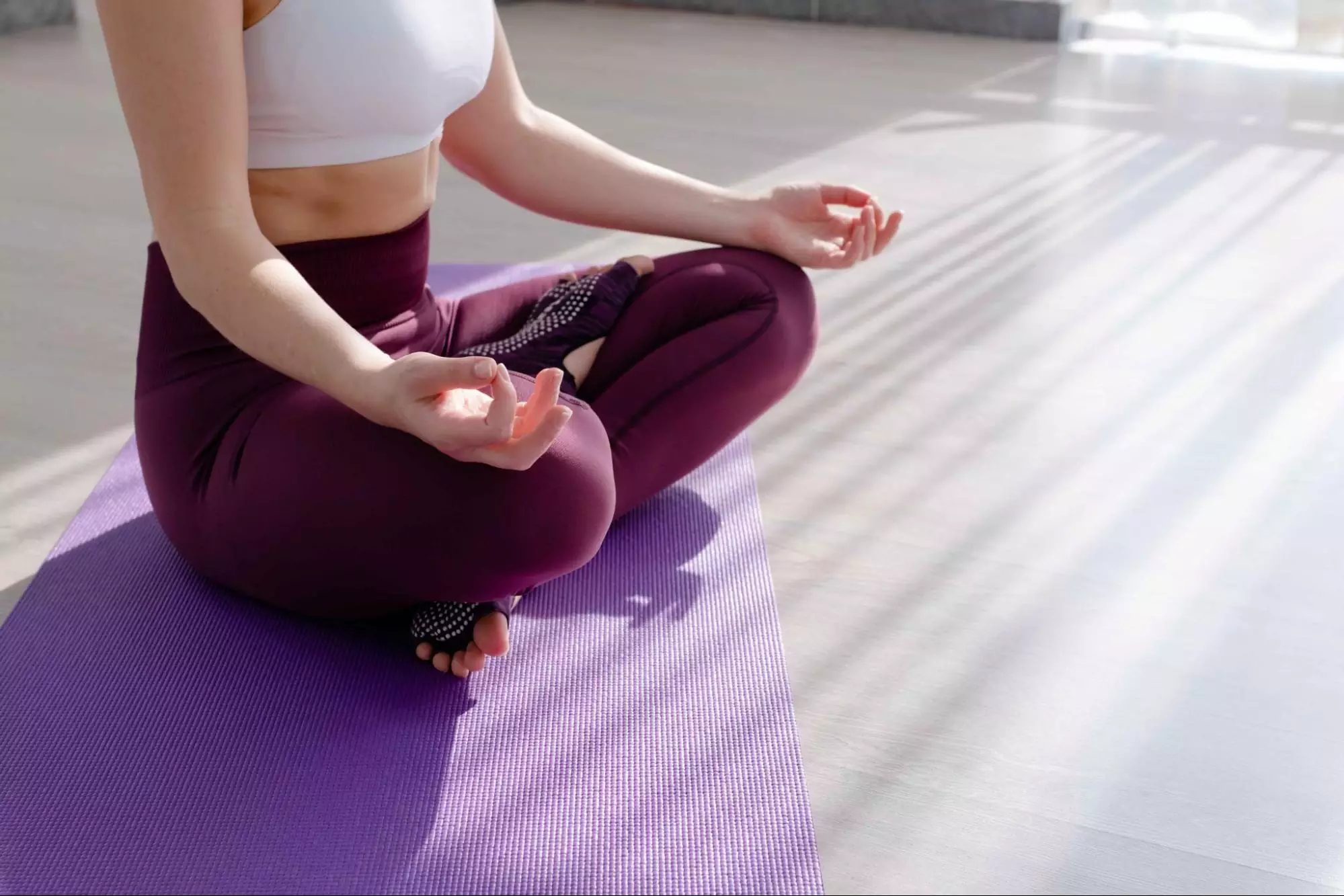
Yoga naturally encourages honesty. When you practice regularly, your body gives feedback—quietly, consistently, and without judgment.
Alcohol affects balance, recovery, breath, nervous system regulation, and motivation. You feel it in your practice, whether you want to or not. Yoga doesn’t shame those effects, but it makes them visible.
At Be YogaFit Studio, our classes are designed to support a Dry January reset by addressing the systems alcohol most impacts. We focus on regulating the nervous system, reducing stress without numbing, improving sleep quality, and building physical and mental resilience.
Many students notice that consistent yoga practice makes alcohol feel less necessary. Stress becomes manageable without a drink. Sleep improves naturally. Evenings feel calmer. Awareness replaces autopilot.
Yoga doesn’t tell you what to do—but it helps you feel what works.
Throughout January, our community openly acknowledges the real challenges that come up during Dry January. Questions like:
What do I do after work if I’m not meeting friends for drinks?
How do I handle social events without feeling awkward?
Why do cravings show up when I’m stressed or tired?
What replaces my evening ritual?
Instead of focusing on what’s removed, we focus on what’s added. Movement replaces numbing. Breath replaces stress spirals. Community replaces isolation. Rest replaces burnout.
These shifts don’t just support Dry January—they support sustainable health.
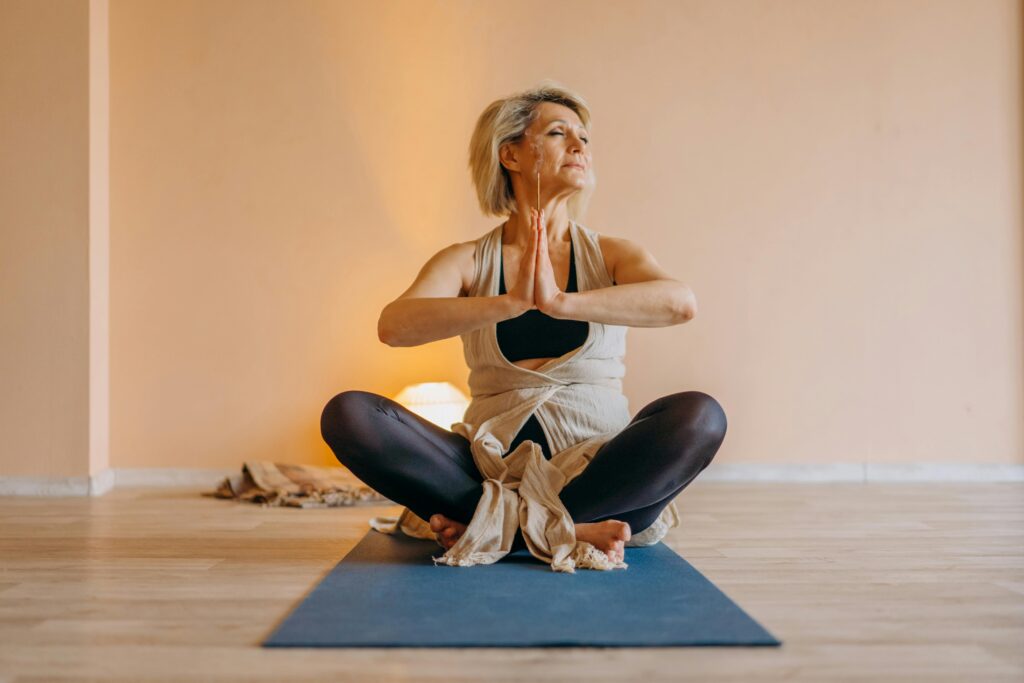
There is no single “right” way to do Dry January. Some people stay alcohol-free all month. Others reduce intentionally. Some simply learn where their boundaries are.
All of it counts.
Dry January works best when it’s approached with curiosity rather than perfection. The goal isn’t deprivation—it’s information. What do you notice when alcohol isn’t part of your routine? How does your body respond? What changes feel supportive?
Those answers are deeply personal—and incredibly empowering.
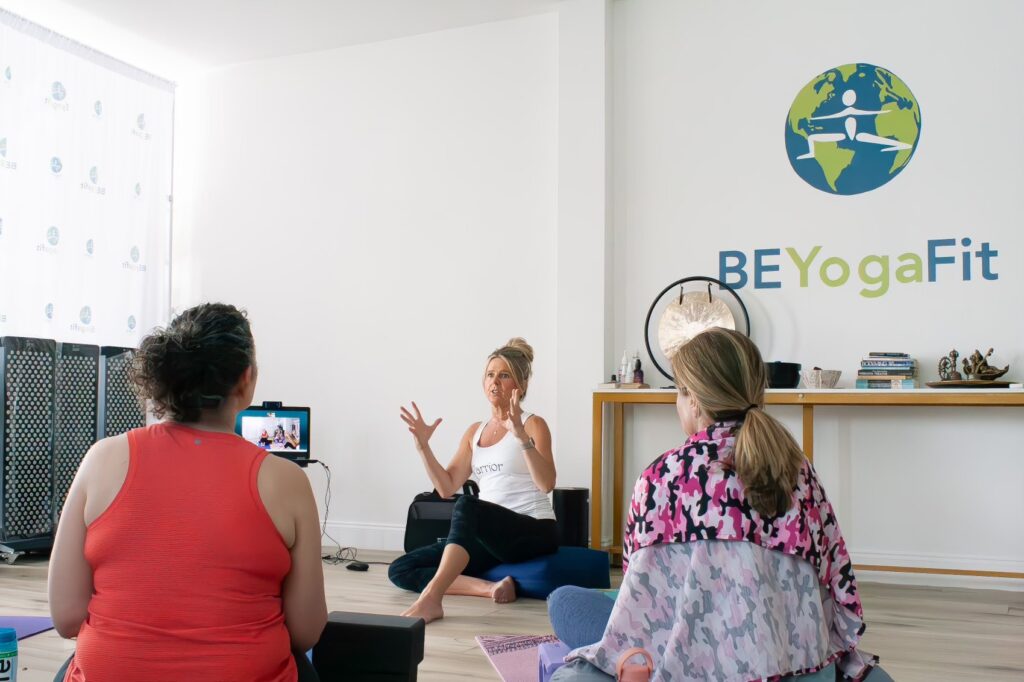
If you’re local to Fort Lauderdale, Lauderdale-by-the-Sea, or Pompano Beach, we invite you to practice with us this January.
Whether you’re fully participating in Dry January, exploring a “sort-of sober” approach, or simply wanting to feel healthier, stronger, and more grounded—you belong here.
Our studio offers live, in-person yoga classes, a supportive and non-judgmental community, movement designed for real life, and a healthy alternative to alcohol-centered socializing.
Dry January doesn’t have to be lonely—and it doesn’t have to be extreme.
Sometimes, the most powerful reset starts with showing up on your mat.